
In today’s digital age, content creators face a critical decision: vlogging or blogging — which path offers the ideal platform for reaching their audience? As both mediums continue to evolve, understanding their nuances has never been more essential. The journey from traditional text-based blogs to dynamic, engaging video blogs mirrors the shifting tides of content consumption, driven by advances in technology and shifts in audience preferences.
This exploration will delve into the distinct advantages and unique challenges presented by blogs and vlogs, offering insights into their respective abilities to captivate audiences, enhance visibility, and generate revenue. Whether you’re eyeing the timeless allure of written words or the immediate impact of videos, grasping these differences will empower you to craft a compelling strategy and establish a powerful online presence.

The Evolution of Blogs
Blogging has evolved remarkably since its inception, transforming from simple online diaries to profound professional tools empowering individuals and businesses alike. This transformation has allowed blogs to become powerful communicative platforms, offering writers a space to express their thoughts and share their expertise in myriad ways. Blogs provide not just a canvas for storytelling but also a strategic platform for digital marketing and content creation, leading to enhanced audience engagement and credibility.
Platforms that Empower Bloggers
The presence of various user-friendly platforms has fueled blogging’s growth and adaptation:
- WordPress: Known for its flexibility and extensive plugin availability, WordPress is ideal for scaling a blog into a comprehensive website.
- Medium: A platform focused on writing and reading, Medium offers a clean interface for both readers and writers, prioritizing quality content.
- Blogger: As a free service, Blogger is perfect for those new to blogging and who wish to test the waters before diving into more complex platforms.
The choice of platform can define the blogging experience, influencing not only the aesthetic and user interface aspects but also SEO capabilities and audience reach.
Advantages and Global Reach
One of blogging’s significant assets is its compatibility with SEO strategies, making it indispensable for digital marketing. By leveraging keywords, internal linking, and detailed content, blogs can enhance visibility and drive organic traffic. Additionally, blogs provide a vast potential audience. According to recent statistics, there are over 600 million blogs globally, reaching billions of readers, illustrating the extensive reach and influence of text-based content.
Blogging’s accessibility means that anyone with internet access can publish their work, making it an essential tool for writers looking to share detailed analyses and rich narratives. This section’s insights underscore blogging’s historical significance and its continued relevance in the modern digital landscape, providing a foundation for content creators to consider blogs as an effective platform for communication and engagement.
The Rise of Vlogs: Visual Storytelling
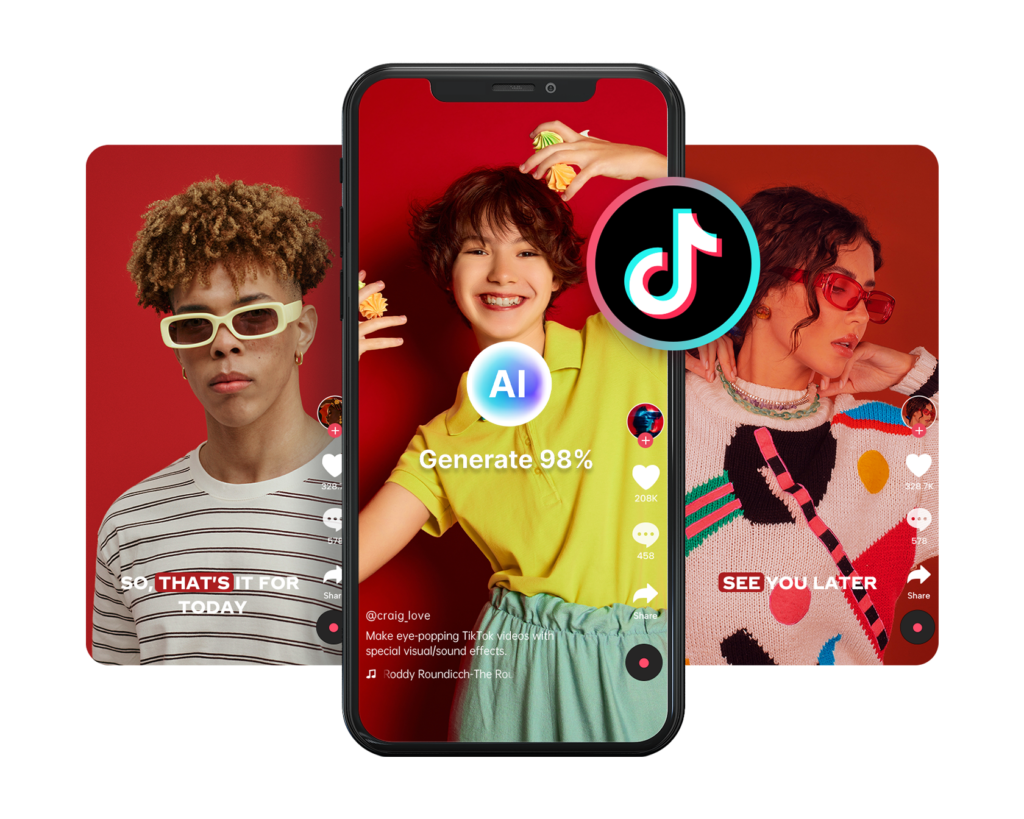
In today’s digital landscape, vlogs have emerged as a compelling medium for connecting with audiences through rich, visual storytelling. By leveraging video to create engaging content, vlogs have captivated viewers worldwide, transforming casual viewers into loyal subscribers. As platforms like YouTube, Instagram, and TikTok continue to grow, they have played pivotal roles in the vlogging boom, offering accessible avenues for content creators to reach exponentially larger audiences.
The Evolution of Vlogging Platforms
Understanding how vlogs have evolved and the driving forces behind this growth is crucial:
- Video Engagement: Vlogs offer a unique, personal connection by placing viewers in a narrative-driven experience. This medium taps into the natural human affinity for storytelling, leading to higher engagement rates compared to static written content.
- Platform Pioneers: With YouTube leading the charge, followed by Instagram’s IGTV and TikTok’s bite-sized videos, vlogs have found diverse formats to flourish in, each catering to different content and audience needs.
- Demographic Appeal: Vlogs tap into a broad demographic range, with younger audiences migrating towards video content. For instance, Millennial and Gen Z users account for the majority of content views on platforms like TikTok.
This blossoming of video content has solidified vlogs as a dominant force in digital storytelling, with creators finding inventive ways to captivate their audiences through dynamic and visually stimulating narratives.
The Impact on Internet and Consumer Trends
The influence of vlogging isn’t limited to content creation but extends into global internet and consumer trends:
Buoyed by visual storytelling, video content now constitutes over 80% of all internet traffic, revealing a clear consumer preference for this engaging format. As internet speeds increase and mobile device usage soars, vlogs have seamlessly adapted to these changes, offering viewers an immersive experience no matter the screen size.
With such a significant impact on the digital landscape, the rise of vlogs presents exciting opportunities for content creators to innovate and redefine what it means to connect with audiences in this vibrant and ever-evolving medium.
Audience Engagement: Text vs. Video
In the ever-evolving landscape of digital content, understanding how blogs and vlogs capture audience attention is crucial. Both mediums offer unique forms of engagement but differ in execution and the type of interaction they foster. Text provides a reflective space for readers to pause and ponder, while video offers a dynamic, immersive experience. As content creators seek to connect more deeply with their audiences, knowing how these platforms engage users can guide strategic decisions.
Engagement Mechanisms
- Blogs allow readers to absorb information at their own pace. Detailed articles enable a thorough exploration of complex topics, often inviting thoughtful comments and feedback inferred from text. This interaction can be a platform for establishing authority and credibility.
- Vlogs, with their visual and auditory appeal, often lead to higher engagement rates due to their immediate impact. Viewers are more likely to engage through likes, shares, and comments made possible through vibrant storytelling. This style resonates especially well with younger demographics.
- Interactive Elements: While blogs depend on compelling writing and SEO to keep readers interested, vlogs use visual effects and personality-driven content to hold viewer attention.
For instance, a beauty blogger might use in-depth product reviews supported by high-quality images and user testimonials to engage an audience, whereas a beauty vlogger may demonstrate product application live, showing real-time results and reactions—offering immediacy and authenticity.
Audience Preferences and Community Building
Demographic insights further reveal preferences and habits. Younger audiences tend to gravitate towards vlogs on platforms like YouTube and TikTok, favoring quick consumption and visually stimulating content. Older audiences might prefer blogs for their convenience in delivering depth without the need for video streaming, which can be bandwidth-intensive.
While vlogs build communities through the shared excitement of video content, blogs create engaged readerships through discussion and informative content. Choosing which medium to leverage depends on understanding these nuances and aligning them with audience expectations and consumption preferences. This approach not only enhances reach but also fosters a loyal and active community around the content, influencing its long-term success and sustainability.
Creating Content: Pros and Cons of Blogs and Vlogs
When it comes to content creation, both blogs and vlogs offer their own unique sets of challenges and rewards. Understanding the intricacies behind the creation process for each medium can guide creators in choosing the right format for their message and resources.
Exploring the Creative Process
Creating a blog often begins with research and writing. This medium allows for depth and detail, with opportunities for thorough exploration of topics through text and images. Tools like WordPress or Medium make setting up and managing a blog relatively straightforward.
On the other hand, vlogging involves video production, which requires equipment such as cameras, microphones, and editing software. Platforms like YouTube and TikTok provide a space for video creators to showcase their work. Vlogging often demands a higher initial investment, both in terms of time and money, due to filming and editing requirements.
To succeed, both bloggers and vloggers must find a unique voice and consistently produce engaging content that resonates with their audience.
Advantages and Disadvantages
- Blogging Advantages: Offers detailed, text-rich content that can boost SEO. Written content is both easy to update and accessible to users who prefer reading.
- Blogging Disadvantages: Requires strong writing skills and may struggle to capture audiences who prefer visual engagement.
- Vlogging Advantages: High engagement through visual storytelling; video content is popular with diverse audiences and can drive higher interaction.
- Vlogging Disadvantages: High production costs and time-intensive processes can be challenging for those new to video editing and production.
Successful content creation hinges on aligning personal strengths with the chosen medium.

Final Considerations in Choosing Your Medium
Ultimately, the decision between blogging and vlogging comes down to understanding personal capabilities and matching them with audience preferences. Some content creators may find their niche by combining elements from both mediums to create a robust multimedia presence. Balancing time, expertise, and resources can lead to successfully engaging content, whether it’s delivered through text or video. This approach not only widens potential reach but also caters to different consumption habits among audiences.
SEO Strategies for Blogs and Vlogs
Effective Search Engine Optimization (SEO) is crucial for maximizing the reach and impact of both blogs and vlogs. While the ultimate goal remains the same—increasing visibility and driving traffic—blogs and vlogs require distinct SEO strategies due to their different formats and means of engagement.
Optimizing Blog Content
When it comes to blogs, SEO is heavily text-driven, centered around strategic keyword use and structured content:
- Keyword Optimization: Crafting content around carefully chosen keywords remains a cornerstone of blog SEO. Utilize tools like Google’s Keyword Planner to identify high-volume search terms relevant to your niche.
- Content Structuring: Organize blog posts in a reader-friendly manner with clear headings, subheadings, and bullet points. This not only improves user experience but also helps search engines better understand your content.
- Backlinking Strategies: Building a robust network of backlinks from authoritative sites enhances your blog’s credibility and improves its ranking. Engage in guest blogging or collaborate with other content creators for cross-promotion.
Integrating these strategies can significantly uplift a blog’s search visibility. For instance, many top bloggers employ these techniques religiously, continuously updating content to align with trending queries and maintain relevance.
Video SEO for Vlogs
Vlogs demand a different, yet equally strategic, approach to SEO, primarily due to their visual nature:
- Video Metadata: Optimizing titles, descriptions, and tags is essential. Incorporate keywords naturally within these elements to improve search visibility.
- Engaging Thumbnails: Thumbnails act as the first point of contact for potential viewers. Design compelling thumbnails that accurately represent the video content while enticing clicks.
- Transcripts and Subtitles: Providing audio transcripts not only makes your content more accessible but also aids in better indexing by search engines.
Successfully managing vlog SEO involves staying updated with platform-specific algorithms. YouTube, for example, frequently adjusts its criteria for video ranking, making it vital for vlogs to adapt quickly.
With the right blend of strategies, both blogs and vlogs can rise in search engine results, ensuring they capture the attention of their target audience. By tailoring SEO techniques to each format’s strengths, content creators can optimize their digital presence and drive sustained engagement.
Monetization Opportunities: Vlog vs Blog
As digital content continues to flourish, both blogs and vlogs offer enticing monetization opportunities. Understanding these can help content creators turn their passions into profitable ventures. This section explores the diverse ways each medium generates income and the key considerations for maximizing revenue.
Revenue Streams for Bloggers and Vloggers
Both bloggers and vloggers have access to an array of monetization methods:
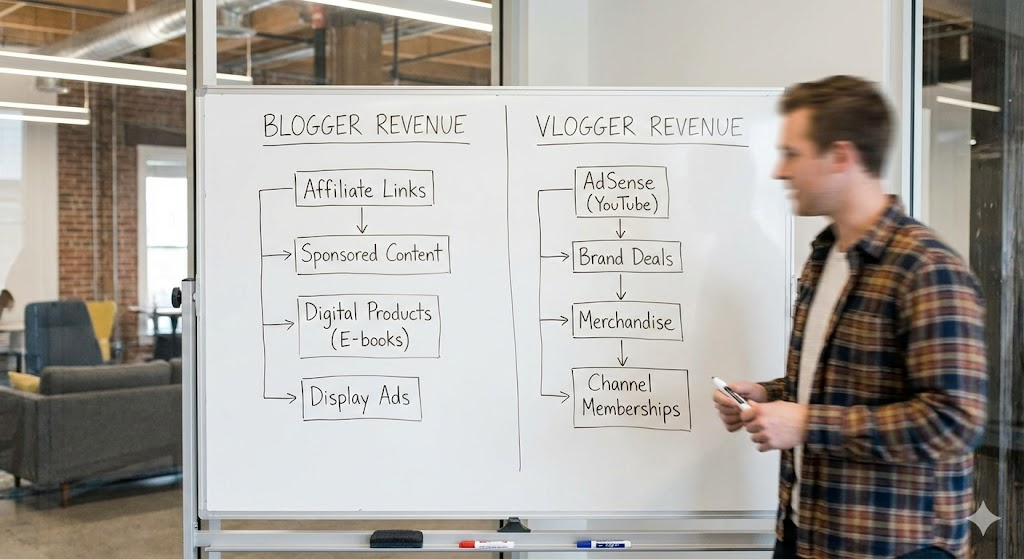
- Ad Revenue: Blogs often use display ads like Google AdSense, while vloggers typically rely on YouTube monetization. Each has its nuances; for instance, YouTube creators need to hit certain channel metrics to qualify for ad monetization.
- Affiliate Marketing: Both mediums excel with affiliate marketing, where creators earn a commission for promoting products. The choice of products can directly impact the trust and engagement of their audience.
- Sponsored Content: Brands frequently collaborate with influencers for sponsored posts or videos. Effective partnerships not only generate revenue but can also enhance a creator’s credibility.
- Crowdfunding and Donations: Platforms such as Patreon allow creators to offer exclusive content in exchange for financial support, fostering closer community ties while generating income.
Successful monetization requires creators to understand the preferences and trust levels of their audience. For instance, a YouTube channel focusing on tech reviews may earn significant affiliate income from tech gadget endorsements, while a cooking blog might thrive on sponsored recipe posts.
Choosing the Right Platform for Monetization
Selecting the optimal platform for monetization hinges on various factors, including content type, audience demographics, and personal strengths.
- Content Type: Depending on whether a creator focuses on evergreen or trendy content, different strategies should be employed. Evergreen content can continually attract traffic and generate ad and affiliate revenue passively.
- Audience Demographics: Understanding who makes up your audience is crucial. Younger audiences, for example, might engage more with platforms like TikTok, while professional demographics might resonate more with detailed, text-heavy blog content.
- Personal Strengths: A creator’s comfort with video production or writing should guide their platform choice. For instance, those who excel in visual storytelling would benefit from the dynamic nature of vlogging, whereas those with proficiency in detailed analysis and writing might find blogging more rewarding.
Ultimately, monetization success comes from strategically leveraging the strengths of blogs and vlogs, tailoring them to fit specific audience interests while maintaining authenticity and integrity. This approach not only fosters financial success but also builds long-term audience loyalty and growth.
Frequently Asked Questions: Vlog vs Blog
Q: What is the main difference between a blog and a vlog?
A: The primary distinction lies in the format—blogs are text-based content that typically include written articles, photos, and infographics, while vlogs are video-based and focus on visual storytelling. Blogs are often found on platforms like WordPress and Medium, whereas vlogs are most commonly hosted on video platforms like YouTube and TikTok.
Q: How do audience engagement practices differ between blogs and vlogs?
A: Engagement in blogs usually involves comments, social media shares, and backlinks to draw in readers. In contrast, vlogs engage viewers through comments, likes, shares, and subscriptions, leveraging the power of visual storytelling to maintain viewer interest. Videos often have higher engagement rates due to the dynamic nature of visual content.
Q: What are some common mistakes to avoid when starting a blog or vlog?
A: For blogs, it’s critical to avoid content that lacks SEO optimization, as this can hinder visibility. For vlogs, overlooking quality in audio and video can reduce viewer retention. Consistency in posting is another key factor for both mediums; irregular updates can lead to a decline in audience interest.
Q: Are there specific tools recommended for improving the quality of blogs and vlogs?
A: Bloggers can benefit from using SEO tools like Yoast SEO for WordPress, while tools like Canva assist with creating engaging visuals. Vloggers might use editing software such as Adobe Premiere Pro or Final Cut Pro for video creation and platforms like TubeBuddy for optimizing YouTube channels.
Q: What are the current trends influencing blogs and vlogs in digital marketing?
A: Current trends include the rise of short-form video content in vlogs, particularly on platforms like TikTok, and the growing importance of interactive and multimedia content in blogs. In both cases, there is an increasing emphasis on personal branding and authenticity to build stronger connections with audiences.
Q: How can someone quickly start a blog or vlog?
A: To start a blog, choose a platform like WordPress, select a niche, and begin crafting content with a focus on SEO. For a vlog, decide on a content style, invest in basic recording equipment, and select a video platform like YouTube to host your content. Consistency and quality are essential from the outset in both venues.
Q: Which medium is more effective for monetization, and how do creators typically earn income?
A: Both blogs and vlogs offer robust monetization opportunities, but the right choice depends on the content and audience. Blogs often rely on affiliate marketing, ads, or sponsored posts. Vlogs may earn through ad revenue, brand partnerships, or crowdfunding. Understanding your audience and leveraging the strengths of each platform will maximize income potential.
Embracing the Future of Digital Storytelling: Vlog vs Blog
As we’ve explored the distinct characteristics and benefits of blogs and vlogs, it’s evident that each medium plays a unique role in the diverse landscape of digital content. Blogs continue to offer depth and SEO advantages, while vlogs captivate with visual storytelling and engagement. By understanding these differences, creators can better align their strategies with their goals and audience preferences.
Whether you’re leaning towards the written word or the power of video, the key is to harness the strengths of your chosen medium to deliver maximum impact. Start by evaluating your target audience, honing your content creation skills, and leveraging monetary opportunities. Dive into the world of digital storytelling, and let your creativity determine the platforms that work best for your vision. Let’s create content that resonates!
Ready to boost your organic rankings with AI?
Unlock the power of our AI Content Platform—built for SEO, AI Search, GEO, and AEO.
Create high-quality, optimized content in just a few clicks.
✅ Free account with 5,000 words/month
✅ No credit card required
✅ Stay ahead with AI-powered content marketing
Don’t get left behind. Start for free today.
Try our AI Content Platform today