
Imagine your church being the first place people discover when searching for spiritual guidance or a welcoming community nearby. In 2026, local seo for churches is more crucial than ever for reaching new members and strengthening connections within your neighborhood. This guide shares 8 proven strategies to help your church stand out online, from optimizing your Google Business Profile to building meaningful partnerships in your area. Learn how to boost visibility, attract more visitors, and ensure your church becomes a trusted resource for those seeking faith and fellowship. Take the first step toward a vibrant, growing congregation.
Why Local SEO Matters for Churches in 2026
In 2026, a church’s digital presence is more important than ever. People in your community now turn to their phones and smart devices first when seeking a new place to worship or connect. If your church is not easily found online, you may be missing out on opportunities to welcome new members and serve your neighborhood.
The Shift to Digital Discovery
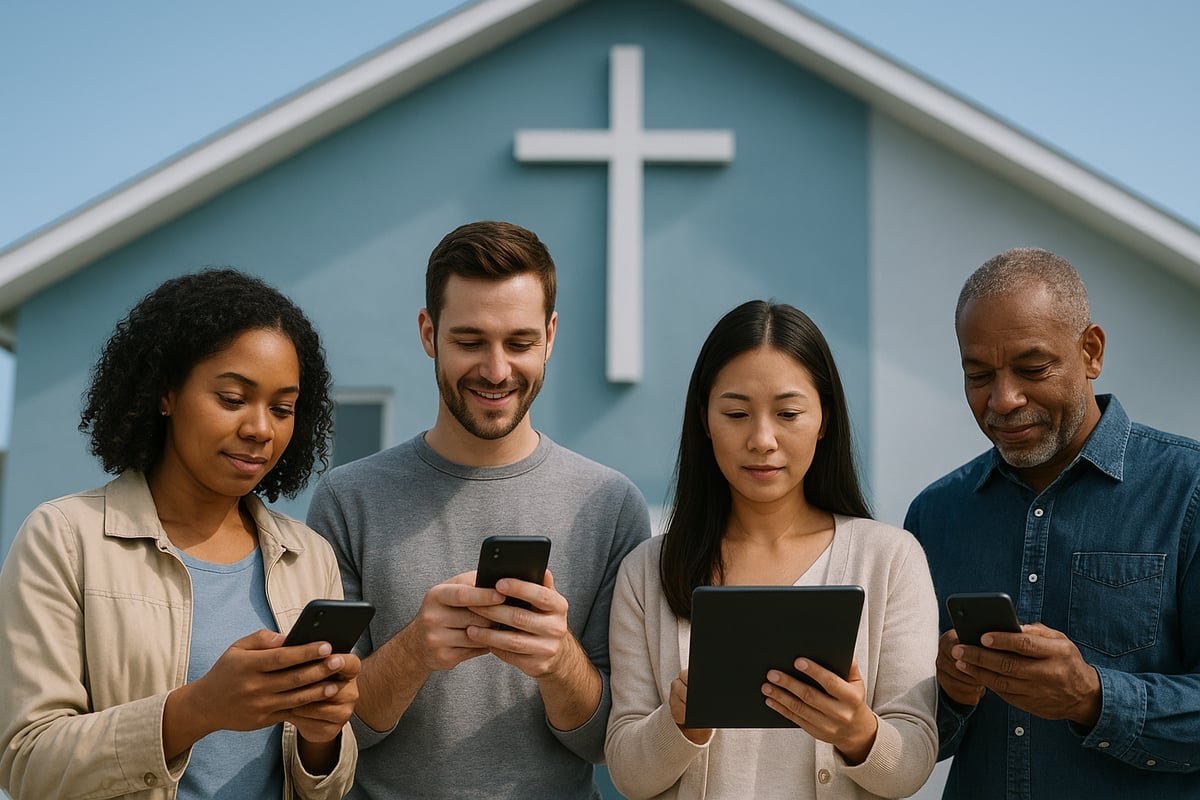
The way people find churches has transformed dramatically. Today, more than 80 percent of individuals use search engines to look for local services, which includes religious organizations. Instead of relying on word-of-mouth or printed directories, families search for “church near me” or “Sunday service in [City]” on their mobile devices.
This digital-first approach means your church’s visibility in local search results is not just helpful, it is essential. Without strong local seo for churches, even the most vibrant congregations can remain hidden from those seeking spiritual community.
Changes in Search and User Behavior
Since 2024, search algorithms have evolved to prioritize mobile and voice search. People ask questions out loud to their phones or smart speakers, expecting instant, local answers. Google Maps and “near me” searches now dominate how people choose where to visit.
Effective local seo for churches ensures your church appears in these results, making it easy for nearby seekers to find directions, service times, and event details. Churches that keep their online information current and optimized are far more likely to attract visitors.
Real Impact: Growth Through Local SEO
Churches that invest in local seo for churches see real-world results. For example, congregations that regularly update their Google Business Profile and respond to reviews often report increased event attendance and more newcomers at services.
According to How Local SEO Helps Your Church Get Found, churches with a strong local SEO strategy receive significantly more website visits and map clicks, directly leading to higher community engagement. This strategy not only boosts attendance but also strengthens outreach and support programs.
Unique Challenges for Churches
Unlike businesses, churches face unique obstacles in local seo for churches. The intent is not commercial, so messaging must be welcoming and inclusive for diverse audiences. Churches serve people of all ages, backgrounds, and needs, making it vital to create content that resonates with everyone.
Additionally, churches must balance privacy with openness, ensuring online information is accurate while protecting member confidentiality. Overcoming these challenges requires a tailored approach, but the rewards are clear: greater visibility, deeper connections, and sustained growth within your local community.
8 Proven Local SEO Tips for Churches to Boost Visibility in 2026
Implementing local seo for churches is no longer optional in 2026. It is a strategic necessity for every ministry seeking to reach new members and strengthen community ties. Below, discover eight actionable tips to elevate your church’s online presence, from Google profiles to social engagement.
1. Optimize and Verify Your Google Business Profile
Begin your local seo for churches journey by claiming and verifying your church’s Google Business Profile. This step ensures your congregation appears accurately in local searches and on Google Maps.
Follow these steps:
- Visit Google Business Profile, search for your church, and claim the listing.
- Verify ownership through the method Google provides (usually phone or postcard).
- Complete every field: name, address, phone, website, service times, and ministry details.
- Select the most accurate categories, such as “Church” and “Religious Organization,” to ensure relevance.
- Upload recent, high-resolution photos and videos showcasing worship, events, and facilities.
- Use Google Posts to share announcements or upcoming events.
Churches that regularly update their profiles see up to 70% more direction requests, highlighting the impact of local seo for churches. Make it a habit to review and update your information monthly to maintain accuracy and engagement.
2. Ensure Consistent NAP (Name, Address, Phone) Across All Listings
Consistency is critical in local seo for churches. Search engines cross-check your church’s name, address, and phone number (NAP) across the web for credibility.
Audit your presence on:
- Yelp
- Bing Places
- Apple Maps
- Local directories
Use tools and checklists to track NAP consistency. Inconsistent listings can confuse visitors and lower your rankings. For example, a church that corrected 12 directory errors saw improved map visibility within two weeks.
After any move or leadership change, update all listings immediately. Monitor for duplicate or outdated entries, as these can dilute your authority in local seo for churches. Consistency builds trust with both search engines and your community.
3. Target Local Keywords and Community-Focused Content
Effective local seo for churches starts with understanding how people search. Use keywords like “church near me” or “Sunday service in [City]” to connect with seekers in your area.
Steps to optimize:
- Research local keywords relevant to your ministries and location.
- Naturally include city and neighborhood names in your website’s headings, service pages, and blog posts.
- Create dedicated landing pages for ministries, events, and outreach programs.
- Write blog posts that answer common local questions, such as “What to expect at a church in [City]?”
A congregation doubled its website visits after adding city-specific content. For deeper insights on keyword selection, explore SEO for churches strategies.
Leverage FAQ sections and structured data to enhance local relevance. Using the right keywords is a cornerstone of local seo for churches and helps ensure your church is found by those searching for spiritual connection nearby.
4. Collect and Respond to Reviews on Google and Other Platforms
Reviews are vital for local seo for churches. They provide social proof, build trust, and influence your search rankings.
Encourage positive reviews by:
- Asking members, visitors, and volunteers to share their experiences online.
- Incorporating review requests into follow-up emails or event thank-yous.
- Responding promptly and professionally to both positive and negative feedback.
Churches with 25 or more reviews average 30% more clicks from search results, proving the power of reviews in local seo for churches.
Monitor reviews regularly using management tools. Address concerns about privacy by reminding reviewers not to disclose sensitive personal information. Authentic engagement with reviews highlights your church’s commitment to the community.
5. Build Local Backlinks and Community Partnerships
Backlinks from trusted local organizations strengthen local seo for churches. They signal authority and relevance to search engines.
Strategies include:
- Partnering with schools, charities, and businesses for events or outreach.
- Requesting inclusion in community calendars, local news, and event directories.
- Offering to contribute guest articles or sponsor local initiatives.
A church gained 10 high-quality backlinks after partnering in a city-wide food drive, boosting its online authority. Focus on genuine relationships rather than quick link schemes.
Local citations also enhance trust. Prioritize authentic partnerships to elevate your local seo for churches and foster long-term growth.
6. Create Location Pages and Event Listings on Your Website
Location pages play a key role in local seo for churches, especially for multi-campus ministries.
Include these elements:
- Maps and parking details
- Service times and ministry schedules
- Leader bios and contact information
Structure event listings for SEO using schema markup, recurring event details, and registration options. A multi-campus church increased event attendance by 40% with well-optimized pages.
Use calendar plugins and reputable third-party event platforms to keep information current. Prioritize mobile-friendly design, as many visitors will view your site on their phones. Keeping event details accurate supports both user experience and local seo for churches.
7. Leverage Social Media for Local Engagement
Social signals are increasingly important in local seo for churches. Active engagement on platforms like Facebook, Instagram, and Nextdoor can expand your reach.
- Promote events and share community stories to encourage shares and mentions.
- Use location tags, relevant hashtags, and check-ins to boost visibility.
- Encourage congregation members to engage with and share church content.
For example, a church’s Facebook event shared by a local influencer brought in over 200 new visitors. Monitor analytics to refine your strategy and maximize the impact of local seo for churches through social media.
8. Monitor, Analyze, and Adjust Your Local SEO Strategy
Ongoing improvement is essential for local seo for churches. Set up Google Analytics and Search Console to track key metrics, such as local traffic, search rankings, direction requests, and call clicks.
Use monitoring tools to check citation consistency and review growth. Conduct regular SEO audits monthly, quarterly, and annually.
For example, if you notice a drop in map rankings, review recent changes and adjust your strategy. Involve staff or trusted volunteers in ongoing optimization efforts.
Stay informed about algorithm updates and emerging SEO trends for 2026. Adapting quickly ensures your church remains visible and continues to grow through local seo for churches.
Common Local SEO Mistakes Churches Should Avoid
Avoiding common mistakes is crucial for churches aiming to succeed with local seo for churches. Even the most well-intentioned digital strategies can fall short if certain pitfalls are overlooked. By understanding these errors, your church can build a stronger online presence and foster deeper connections within your community.

Overlooking Your Google Business Profile
One of the most frequent mistakes in local seo for churches is neglecting the Google Business Profile. Many churches either never claim their listing or leave vital details incomplete. This oversight can prevent your church from appearing in local searches or Google Maps, making it harder for seekers to find you.
Keep your profile up-to-date with accurate name, address, phone, service times, and photos. An incomplete profile limits your reach and may send visitors to outdated information. Regularly review and update details, especially after leadership changes or service schedule adjustments. This simple step can greatly improve your church’s local visibility.
Ignoring Reviews and Inconsistent Information
Another common issue with local seo for churches is ignoring online reviews or failing to respond to feedback. Reviews play a significant role in building trust and attracting new visitors. Not addressing negative comments or thanking reviewers leaves a poor impression and can lower your search rankings.
Inconsistent NAP (Name, Address, Phone) across directories is also a major problem. Mismatched details confuse search engines and users alike. Audit your listings on platforms like Yelp, Bing Places, and Apple Maps to ensure consistency. A church that corrected its NAP errors saw a noticeable boost in map visibility within weeks.
Neglecting Mobile and Fresh Content
Many churches forget that local seo for churches depends on a website that performs well on mobile devices. A slow, hard-to-navigate site can drive potential visitors away. Make sure your site loads quickly, is mobile-friendly, and presents information clearly.
Equally important is maintaining fresh, location-specific content. Failing to create event listings or update ministry pages means missing valuable opportunities to engage your local audience. Regular updates signal to search engines that your church is active and relevant in the community.
Missing Local Intent and Proactive Maintenance
Some churches rely on broad, generic keywords and overlook the importance of local intent in local seo for churches. Without city or neighborhood-specific content, your site may not appear in relevant searches. After moving locations, one church lost visibility simply because they did not update their online listings promptly.
To avoid these pitfalls, review your digital presence regularly and stay educated on evolving best practices. Staying proactive ensures your church remains a welcoming beacon for your local community.
Future Trends: How Local SEO for Churches Will Evolve Beyond 2026
The landscape of local seo for churches is rapidly evolving, and the years beyond 2026 promise even more transformation. As technology advances, churches must stay proactive to maintain strong visibility within their communities.

Artificial intelligence is reshaping how people find information online. Search engines are now using AI to deliver more personalized, context-aware results. For churches, this means optimizing not only for keywords but also for intent, conversational queries, and natural language. Voice search is gaining importance as more users ask smart speakers and mobile assistants for nearby church recommendations.
Video content and virtual tours will become essential tools for local seo for churches. Prospective visitors increasingly expect immersive, authentic experiences before stepping through the doors. Offering high-quality videos, livestreams, and 360-degree tours can help your church stand out in local search, attracting those seeking a welcoming community.
Integration with smart devices is another key trend. People will use Google Home, Alexa, and other assistants to ask for service times, directions, or event details. Ensuring your church’s data is structured and accessible by these platforms is crucial for future visibility.
Community engagement signals and real-time updates will play a bigger role in search rankings. Active participation in local events, timely website updates, and social media interactions all contribute to a church’s authority and trustworthiness online. For more on future-focused digital strategies, see the Top 5 Church Growth Strategies for 2026.
To succeed, churches must foster adaptability and a mindset of continuous learning. Staying informed about emerging trends ensures your local seo for churches efforts remain effective, helping your ministry connect with new generations and meet your community’s evolving needs.
Ready to boost your organic rankings with AI?
Unlock the power of our AI Content Platform—built for SEO, AI Search, GEO, and AEO.
Create high-quality, optimized content in just a few clicks.
✅ Free account with 5,000 words/month
✅ No credit card required
✅ Stay ahead with AI-powered content marketing
Don’t get left behind. Start for free today.
Try our AI Content Platform today